The Back-Pocket Search: Why Referrals Still Google Lawyers, Doctors, and Therapists Before They Call
Get Organic Authority helps lawyers, doctors, therapists, and private practices turn expertise into long-form SEO content that people can actually understand, trust, and act on. This article looks at a quieter search behavior most practices miss: the back-pocket search. It happens after someone already hears your name from a friend, physician, colleague, family member, former client, podcast, church group, divorce support group, doctor referral, or therapist directory. The referral creates curiosity. Google decides if curiosity becomes a call.
The Referral Is Only the Spark
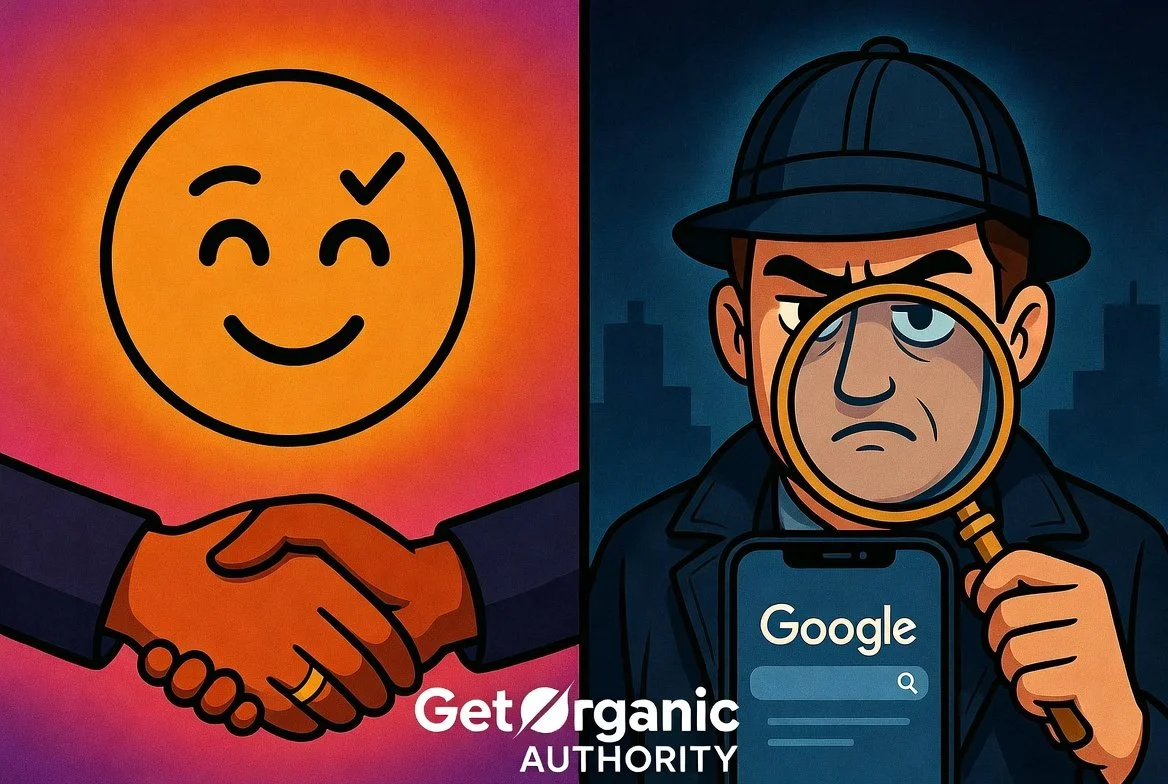
People still do a private background check
This is the back-pocket search. A person gets your name, leaves the conversation, sits in their car, opens Google, and searches your practice. They may search your exact name, your firm name, your specialty, your city, your reviews, your credentials, your fees, your approach, or some half-formed worry they forgot to ask out loud. For lawyers, doctors, and therapists, this matters because the stakes feel personal. People are choosing someone to handle their custody battle, their chronic pain, their panic attacks, their injury case, their fertility concern, their trauma history, their divorce, their private-pay therapy investment, or their health scare. That is a different animal than choosing tacos. Though people also act strangely intense about tacos, because civilization remains fragile.
Most SEO for private practices focuses on discovery searches like “therapist near me,” “personal injury lawyer in Tampa,” “dermatologist near me,” or “best family law attorney in Richmond.” Those searches matter. Your practice still needs strong service pages, local SEO, reviews, internal links, and long-form SEO content. But there is another layer hiding in plain sight: branded and referral-driven searches. These are searches from people who already know you exist and are deciding if your name feels safe enough to trust.
This is a different kind of private practice SEO. It is less about shouting “find me” and more about answering “can I trust this person with something that could change my life?” A potential client may already have your number, yet still search “Dr. Sarah Mitchell reviews,” “is EMDR therapy worth it,” “what to ask a divorce lawyer before consultation,” “best trauma therapist for adults near me,” “should I get a second opinion from another doctor,” “what does a personal injury attorney actually do,” or “private practice therapist cash pay worth it.” These long-tail keywords look scattered at first. They are actually decision-safety searches.
Google’s own guidance on helpful, reliable, people-first content pushes creators toward content that serves real people first. That matters here because referral searchers are not empty traffic units floating through the void. They are close to action. They have a name. They have a need. They have a worry. Your content needs to meet them with clarity instead of a generic hero banner that says “compassionate care” or “aggressive representation,” phrases that have been beaten into paste by every website template from here to Omaha.
The name search has a job to do
When someone searches your name after a referral, they are trying to answer a handful of questions fast. Are you real? Are you qualified? Do people like me work with you? Do you explain things clearly? Do you handle my exact problem? Do you sound safe, competent, and human? Can I picture calling this office without feeling foolish? For a lawyer, the searcher wants confidence before sharing legal details. For a doctor, the searcher wants competence before trusting a diagnosis or treatment plan. For a therapist, the searcher wants emotional safety before sending the message they have delayed for six months.
For lawyers, doctors, and therapists, the back-pocket search turns your website into a confirmation layer. That layer should support every other part of your SEO ecosystem. Your articles on search intent for service businesses, service pages that turn Google searches into leads, and organic SEO for practices that want to become the obvious choice already build the big frame. This article adds a new point: referrals need SEO too. Word of mouth opens the door, but Google still stands in the hallway holding a clipboard. Rude, but accurate.
The data says people verify before choosing
The back-pocket search is not just a cute phrase for people with content calendars and too much coffee. Review behavior and online research show that people verify local and professional services before they choose. BrightLocal’s Local Consumer Review Survey tracks how reviews influence local business decisions, and its local SEO statistics page reports that 97% of consumers read reviews for local businesses and 67% often or always look at reviews after a local business search. For private practices, that means a referral can send someone to your website, but reviews, reputation, and content often help decide what happens next.
Healthcare has its own version of this behavior. Pew Research found that 77% of online health seekers began at a search engine, and newer research in JMIR found that 90.2% of surveyed participants searched online for information on health conditions or symptoms. Use those numbers carefully, because every study has its sample and context. Still, the pattern is obvious enough to slap the table: patients look online before, during, and after care decisions. Doctors who publish clear condition content, procedure explainers, second-opinion guides, provider bios, and patient-friendly service pages give those searchers a better runway. That connects naturally to organic SEO for doctors and healthcare practices and how doctors get more patients from Google without depending on ads.
Legal search has the same confirmation layer. Attorney at Work reported that 86.7% of survey participants said they would use Google to research a lawyer in 2025. Martindale-Avvo reported that legal consumers use multiple resources together, including referrals, Google searches, and review sites. FindLaw’s consumer legal needs survey coverage says 82% of respondents who contacted an attorney and learned about them online used online reviews. The message for law firms is simple: the referral did not end the search. It changed the search from “who can help me?” into “is this lawyer the one I trust enough to call?” That is the sweet spot for law firms turning Google traffic into consultations and legal content that answers real fears.
Build the Confirmation Layer
Create content for the person who already has your name
Most private practices build content for strangers. That is useful. Strangers become clients. But the back-pocket searcher is not a cold stranger. They are warm, skeptical, distracted, nervous, and probably comparing you against two other options while also ignoring eight text messages. Your content should speak to that person directly. This is where branded search SEO, referral SEO, private practice SEO, reputation SEO, and long-tail content strategy come together.
The confirmation layer is the content path that makes a referred person feel steady enough to act. It includes your homepage, provider bios, practice area pages, condition pages, therapy specialty pages, FAQs, comparison articles, review strategy, “what to expect” content, and specific long-tail blog posts. It also includes internal links that guide someone from research to decision without making them wander through your website like a confused raccoon in a courthouse.
A strong confirmation layer answers decision-stage long-tail keywords like these:
· how to choose a therapist after getting a referral
· what to ask a personal injury lawyer before hiring them
· how to know if a doctor is right for my condition
· questions to ask before booking a therapy consultation
· what makes a law firm trustworthy online
· how to compare private practice therapists
· what to look for in a specialist doctor near me
· lawyer reviews versus referrals which matters more
· how private practice websites build trust before the first call
· why referrals still Google your name before contacting you
These are not vanity keywords. They are close-to-contact searches. They carry hesitation, which makes them valuable. A person searching “what to ask a divorce lawyer before consultation” may be closer to hiring than someone casually searching “divorce laws.” A person searching “how to know if a trauma therapist is right for me” may be closer to booking than someone searching “what is trauma.” A person searching “should I get a second opinion from a specialist” may be deciding which physician gets the appointment request.
Answer the questions people hate asking out loud
Law firms can write content around consultation anxiety, case timelines, fees, communication expectations, settlement fears, court myths, documentation, what clients should bring to the first meeting, and how to compare attorneys without falling for billboards and chest-puffing. Doctors can explain second opinions, diagnosis uncertainty, procedure questions, specialist referrals, test results, treatment timelines, risks, recovery, insurance confusion, and what patients should ask before an appointment. Therapists can explain fit, first-session nerves, trauma therapy pacing, private pay, boundaries, confidentiality, therapy style, consultation calls, and how clients know if therapy is working.
This kind of content does two jobs at once. It ranks for long-tail SEO keywords, and it lowers emotional friction. That second part is where most SEO people fall off the horse and land in a spreadsheet. Ranking gets attention. Clarity gets action.
Google’s Search Quality Rater Guidelines place major weight on E-E-A-T, meaning experience, expertise, authoritativeness, and trust, especially for Your Money or Your Life topics. Lawyers, doctors, and therapists live in that high-stakes neighborhood. Their content should sound like it came from someone who understands real client and patient concerns, not from a content farm that learned empathy through a microwave manual. This is why every back-pocket article should include practical detail, clear boundaries, responsible language, and links to stronger service pages or specialty pages.
Give each profession its own confirmation path
A referral-driven content strategy should not treat lawyers, doctors, and therapists as the same creature wearing different jackets. They share trust problems, but their search behaviors have different emotional flavors. A law firm visitor is often protecting money, family, freedom, business, injury compensation, immigration status, reputation, or time. A healthcare visitor is protecting their body, diagnosis, future, mobility, fertility, pain level, or peace of mind. A therapy visitor is protecting privacy, dignity, emotional safety, and hope. The content should respect those differences.
For lawyers, the confirmation layer needs proof and orientation. Write articles like “What to Ask a Family Lawyer Before You Hire One,” “How to Compare Personal Injury Attorneys After an Accident,” “Why Legal Fees Feel Confusing and What to Ask Before Signing,” “What Happens After You Contact a Criminal Defense Attorney,” or “How to Know if a Law Firm Handles Cases Like Yours.” These articles target long-tail legal SEO keywords while helping referred clients feel less lost. Link them to practice area pages and consultation pages using the internal linking logic from how to internally link blog posts to service pages.
For doctors and healthcare practices, the confirmation layer needs education without diagnosis theater. Write articles like “When to Ask for a Second Opinion From a Specialist,” “How to Prepare for Your First Appointment With a Dermatologist,” “What Patients Should Know Before a Knee Pain Consultation,” “How to Choose a Doctor for Chronic Digestive Symptoms,” or “What Makes a Medical Practice Feel Trustworthy Online.” These posts can support condition pages, provider bios, service pages, and appointment pages. They also give patients language for concerns they may struggle to organize.
For therapists, the confirmation layer needs emotional precision. Write articles like “How to Know if a Therapist Is the Right Fit,” “What to Expect During a Therapy Consultation Call,” “How to Choose a Trauma Therapist When You Feel Overwhelmed,” “Private Pay Therapy Versus Insurance Therapy,” or “Why You Keep Searching for Therapists and Still Have Not Reached Out.” That last one hits a nerve. Good. Nerves are where useful content lives. These posts can support therapy specialty pages, private-pay pages, trauma therapy pages, anxiety therapy pages, couples therapy pages, and local pages.
Make the homepage pass the referral test
The homepage has one simple job during a back-pocket search: confirm the referral quickly. The visitor should understand who you help, what problems you handle, where you serve clients or patients, why your approach is credible, and what the next step looks like. If they have to decode your website like an escape room, the referral loses heat.
Build the back-pocket search map
The easiest way to build this strategy is to map the searches someone might make after hearing your name. Start with the referral source. Then imagine the person’s next five Google searches. A client referred to a family lawyer may search the lawyer’s name, reviews, divorce consultation questions, child custody attorney near me, and how much a family lawyer costs. A patient referred to a specialist may search the doctor’s name, condition, procedure, second opinion, reviews, and appointment process. A therapy client referred by a friend may search the therapist’s name, trauma therapist near me, therapy fees, what happens in first therapy session, and how to know if a therapist is a good fit.
Those searches become content opportunities. Some belong on the homepage. Some belong on provider bios. Some belong on service pages. Some become blog posts. Some become FAQ blocks. Some become review strategy. The trick is to stop treating the website as a brochure and start treating it as a guided confirmation system.
Here is a simple map:
· Name search: optimize provider bios, firm profiles, practice name pages, and homepage language.
· Review search: strengthen Google reviews, respond thoughtfully, and feature testimonials where ethically allowed.
· Fit search: publish articles that explain who you help and how your process works.
· Cost search: explain fees, payment options, insurance, consultations, or what affects cost.
· Risk search: answer what can go wrong, what to expect, what to ask, and how to prepare.
· Comparison search: create content that helps people compare providers without trashing competitors like a desperate raccoon with a law degree.
Use internal links like a nervous-system map
Internal links matter even more for back-pocket searchers because they are already warm. They need the next useful step, not a maze. A blog post about “what to ask before hiring a personal injury lawyer” should link to the personal injury service page, attorney bio, consultation page, and related articles. A post about “how to choose a trauma therapist” should link to trauma therapy, EMDR therapy, anxiety therapy, therapist bio, and consultation information. A post about “when to get a second opinion” should link to relevant condition pages, provider pages, appointment scheduling, and patient resources.
This is where the existing Get Organic Authority ecosystem should feed the article naturally. The back-pocket search strategy builds on topic clusters for service business websites, internal linking, service pages, search intent, and long-form SEO content. It also supports broader articles like gain clients fast with SEO tips for lawyers, doctors, and therapists. The point is simple: every article should give Google context and give the reader a path. One without the other is only half a bridge, which is mainly useful if your business model involves falling into rivers.
Use descriptive anchor text. Link from supporting articles into service pages. Link from service pages back into helpful articles where it improves the user journey. Link provider bios to relevant specialty content. Link local pages to specific service pages. Link high-trust articles to appointment or consultation pages when the reader is ready. The more connected the site becomes, the easier it is for Google and humans to understand the practice.
Create the twelve assets every referral-heavy practice needs
· A homepage that clearly names who you help, where you work, and what outcomes or problems you support.
· A strong bio page for each provider with credentials, approach, specialties, and human warmth.
· Service or specialty pages for each core offer, practice area, condition, treatment, or therapy focus.
· A “what to expect” page for consultations, first appointments, or first therapy sessions.
· A fee, insurance, consultation, or payment explainer, written clearly and ethically.
· Review and testimonial placement where allowed by ethics rules and platform policies.
· A comparison article that helps people choose the right kind of provider.
· A second-opinion or fit article for people comparing options.
· A local authority article connected to your city, neighborhood, county, or service area.
· A problem-aware article for the emotion behind the search.
· A high-intent FAQ page that answers contact-stage questions.
· A content hub that organizes articles by service, audience, or problem.
Measure the right signals
The back-pocket search strategy also changes what you measure. Rankings still matter. Organic traffic still matters. But referral SEO adds another layer. Track branded impressions. Track clicks for provider names and practice names. Track pages that people visit before contacting you. Track consultation page traffic. Track calls from organic search. Track form fills. Track which articles assist conversions, even when they are not the final page visited. Track Google Business Profile actions, reviews, and direction requests if local search matters.

The private practice that wins the search after the referral wins twice
The back-pocket search changes how lawyers, doctors, therapists, and private practices should think about SEO. SEO is not only for strangers who have never heard your name. It is also for the person who heard your name and needs one more reason to trust it. That person may be more valuable than a cold visitor. They are already warm. They already have a thread connecting them to your practice. Your website either strengthens that thread or quietly cuts it.
A great referral gets your name into the room. A great content ecosystem keeps your name in the decision. That means long-tail SEO content, clear service pages, strong provider bios, thoughtful internal links, review strategy, local SEO, and articles that answer the awkward, private, practical questions people ask before they contact a professional.
This is the larger point behind Get Organic Authority: trusted professionals deserve visibility that matches the weight of their work. Lawyers help people navigate consequences. Doctors help people understand and care for their bodies. Therapists help people say the hard thing out loud. These are high-trust professions. Their websites should feel like high-trust websites.
The next wave of private practice SEO will belong to the practices that understand the search after the referral. The name search. The review search. The “is this person right for me?” search. The “what happens if I call?” search. The “can I trust them?” search. Those queries are full of long-tail keyword opportunity, but they are also full of humanity. That is the part most content misses.
So build for the person sitting in the car with your name in their phone. Build for the patient staring at a referral slip. Build for the client whose friend said, “Call my lawyer.” Build for the therapy seeker who finally found three possible names and feels ridiculous for being terrified of an email. Build for the search that happens after someone already pointed them toward you.
That is where reputation, organic authority, and conversion meet. That is where private practice SEO becomes more than traffic. That is where the referral becomes a client, patient, consultation, or first session. And that is where your website finally starts doing the job it should have been doing all along.
